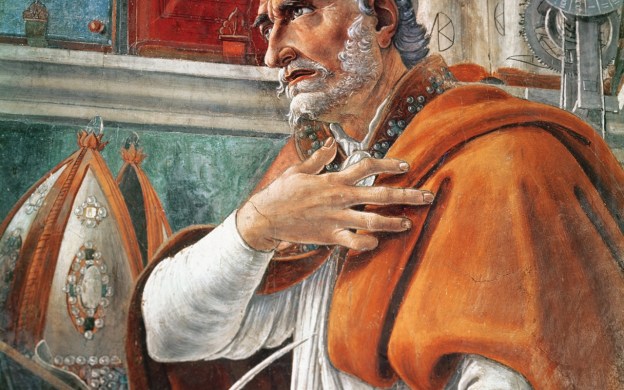
A recent conversation I had with a friend reminded me of this piece that I wrote several years ago. I posted it back then, but took it down after a few weeks for some unknown reason. However, said recent conversation (and the fact that I’m currently re-reading Augustine’s Confessions) reminded me that our own brokenness and healing can be a help to others who are struggling. This post is very personal and it was written at a very difficult time in my life, but also at a time when I was beginning to change for the better. I have, by God’s grace, grown considerably since I wrote this, and I am daily thankful that the hands of my King are the hands of the Healer. I hope that this might be a help to you if you feel like life will never get better. Dear one, cling to Christ! And if you’re hurting don’t be afraid to seek help – from professionals, from your community, and from your family and friends.
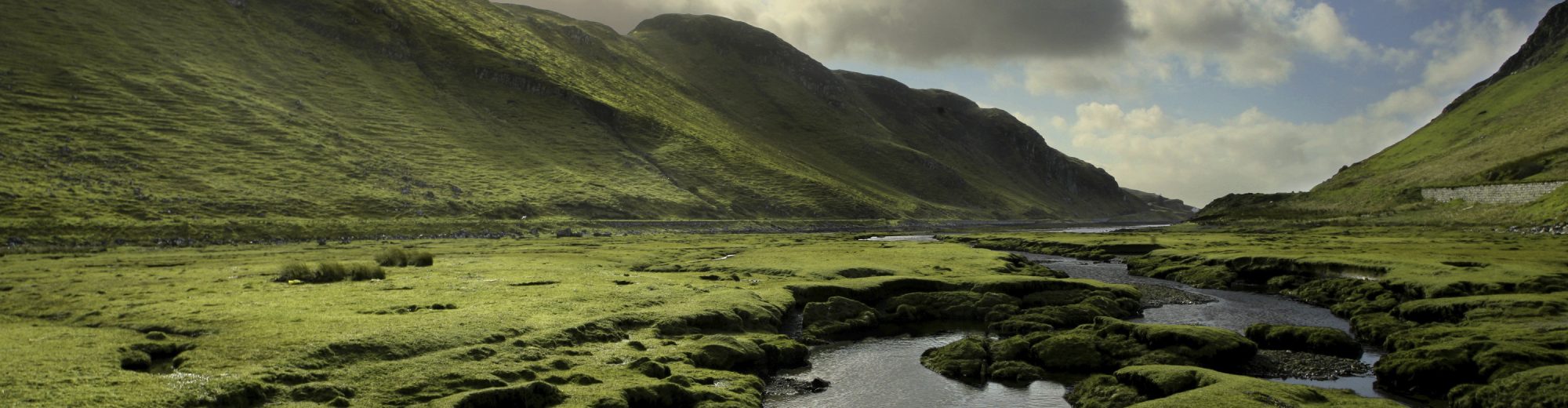
I grew up near the river. As I walk on its banks in the summer heat, the insects are dancing upon its surface, and singing in the trees behind me. It is life, the golden green of the sunlight shining through a hungry canopy of leaves. The earth bakes beneath my feet, river mud sometimes full of water, sometimes, in the dry times, dry as though it had never tasted the river before. But this too is life, a touch from the fountain of the sun – not so heavy as to turn the breathing earth into breathless desert, but just heavy enough. I grew up with the river mud sometimes beneath my feet, sometimes painted across my face and chest to ward off mosquitoes and make me appear fierce as a warrior. But war is out of place here. The fighting makes no sense of life.
I’ve been fighting for so long now. I’ve been too long away from the river, away from life. In a comfortable room, a gentle therapist speaks a word I’ve always feared – trauma. I am hungry. Sleepless. My pants are too loose on me now. I just want to sleep, to feel better. Trauma, she says. I know, I know, I know. I grew up near the river, and the singsong voices of the land that birthed me. But my eyes have seen much death. My hands have been too empty reaching for hands that pull away, or are pulled away. The shouting, the blood, the screams, the dreams that haunt me. The rootlessness, the wandering from one place to the next, and mockingly calling it all an adventure. Trauma. Death with names and faces attached. And I am not myself.
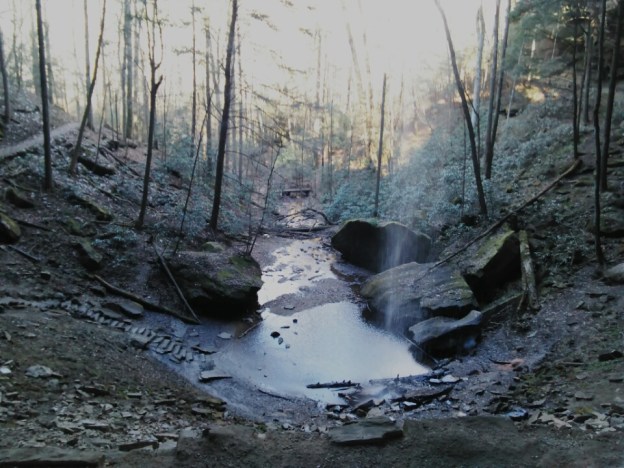
But life. Life is still here, amidst the silent hallways and doorways and empty rooms of a walking death. There is still life. The river still flows, and I grew up near the river. But there is a dark tree called Trauma. It is big as a black oak, fastened tight to my soul. And it eats and eats, and the river feeds its taproot, and it grows so large that the whole forest of living things seems to be overshadowed. This tree is death, and from every limb hangs the fruit of every beating my body has taken, every laceration of the mind, every screaming agony of a heart that has screamed itself voiceless. It is the narrative I have been living in for the past several years, my Chateau d’if, my City of Dis; it is the gnawing worm that eats the pages of the man I am, and want to be. It is the liturgy that teaches me that no matter where I go I’ll always have to remind people that if I fall asleep, I’m not to be touched or awoken too swiftly. It’s the million little voices saying Don’t trust, don’t trust, they only mean to hurt you. It’s the wall I’ve built of brokenness, though I can never build it so high I don’t feel insecure. Trauma is a walking death hidden behind a smile and a well-acted struggle through the day.
But life. There is life here. The singsong voices breaking forth in melody, the sunlight shining its rays through holes in the canopy, the unfed sapling being robbed of sustenance by the dark oak. This is life, and everything that makes life worth living. And the gentle Husbandman Who planted the sapling named her Hope. She is small, but she sings so wonderfully, so beautifully. She tells her stories in a simple, truthful voice. Death must shout the lie that all things end, because the beautiful truth has caught my ear and eye – we endure. Life and peace and joy. Love endures, no matter how much you’ve lost. And it isn’t just the trudging from one day into the next. It is the gentle flowing of a river, it is the golden green of an illuminated canopy. It is the arms of your grandmother wrapped around you, as she tells you everything is going to be okay. It is the message from a friend telling you he’s there if you need to talk. It is the countless miles I’ve walked through the shining lands, eyes wide open to grandeur not my own, beauty in which I participate as a fellow chorister. It is the words of loving teachers painting new worlds in which I am to play. It is the playing under the Father’s watchful eye. And I hope, someday, it will be my watchful eye seeing my sons and daughters playing with their mother beneath the sun. But now I play, and fall, and am dusted off and set aright by hands more loving, by Love.
And I hope, and hope is my song. Hope is the trench I dig, the little irrigation channel to the sapling. Hope is the song I sing to the sapling, the song that has been sung to me by the eternal Word. And the little tree sings in her growing. The time has come to leave the shadowlands behind, the pseudo-life. I am ready to live.
And the once great oak, the dreadful oak whose fruit is a thousand little everyday dyings – it must itself die, starved of the life I once gave to it. I am not my trauma. I am not the constant wandering, running from a hopeless future.
There is no going back. I’m not naïve. “How do you pick up the threads of an old life?” wrote Professor Tolkien. “How do you go on, when in your heart, you begin to understand, there is no going back?” I will never be the little boy playing in the river mud again. I have been uprooted. But I must be. I must go on. I must find the rootedness that time and pain have taken from me. And I will. I promise to myself. By God’s grace (and He is merciful) I will. And my little sapling will thrive, and the old oak will die. And one day, inquisitive children will ask what happened to the old, dead tree. And my life will tell the story of a man reborn, who, when given the choice between life or death, by God’s grace chose life.
And they will see the tall, living oak growing beside the river, bearing the fruit of peace and a life well-lived.


 J. Lucas Waters